Start with the purpose of the product
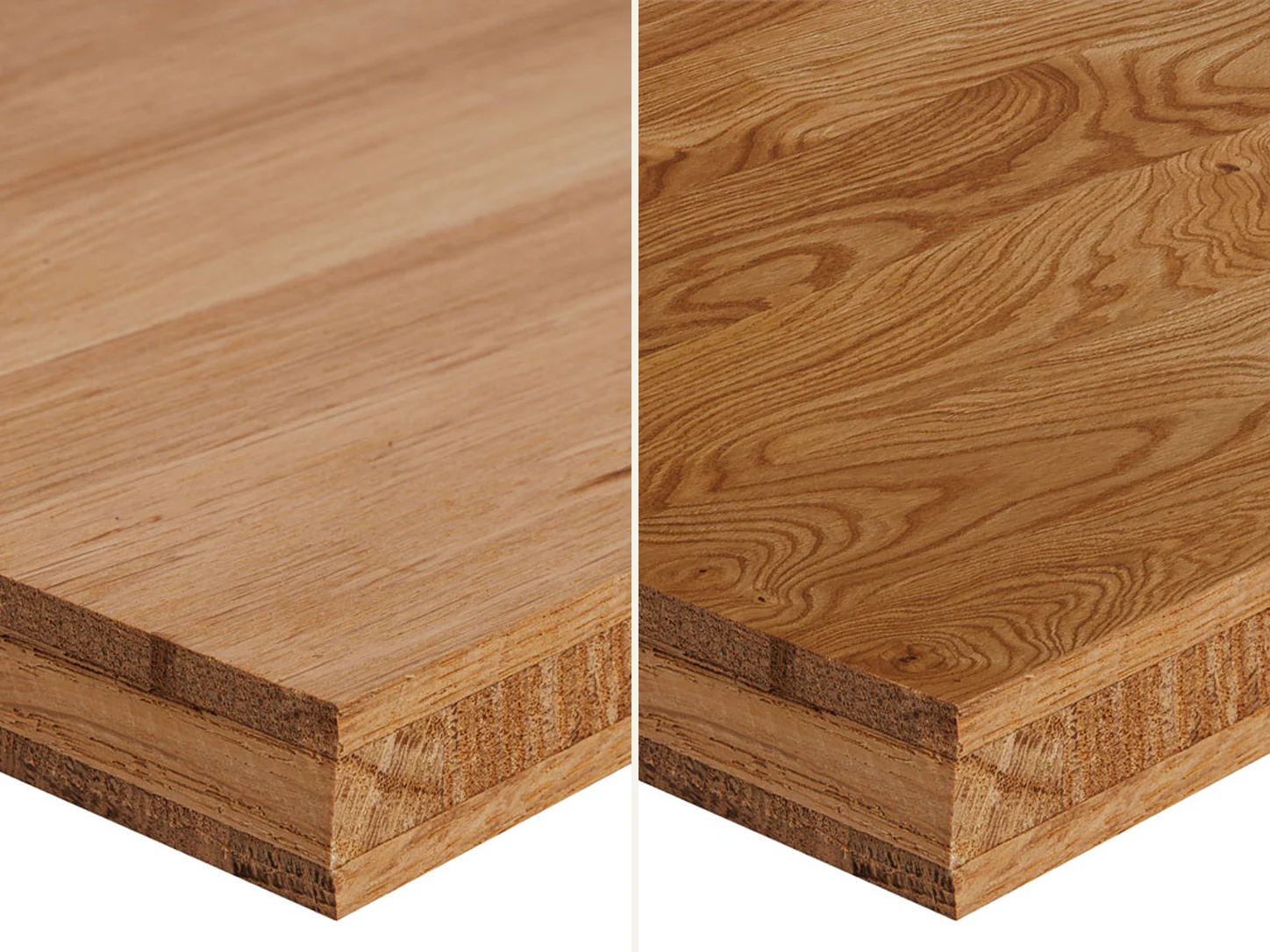
The word “grade” describes the expected visual character of the wood, but by itself it does not tell you whether the material suits a particular piece of furniture. A cabinet front, tabletop and concealed part may have different requirements for the grain. First decide what should be visible in the finished product and the impression it should create: calm and even, or more expressive with the natural features of oak.
Consistency also matters in furniture production. If one material will be used for several parts of a product or across a series, agree in advance how closely their tone and grain should match. This helps align the expectations of the designer, buyer and production team, instead of leaving the aesthetic choice until assembly.
- Which surfaces will remain constantly visible to the user?
- Do several parts need to form a visually consistent group?
- Which grain features are acceptable for the project?
Assess the material in the context of the part
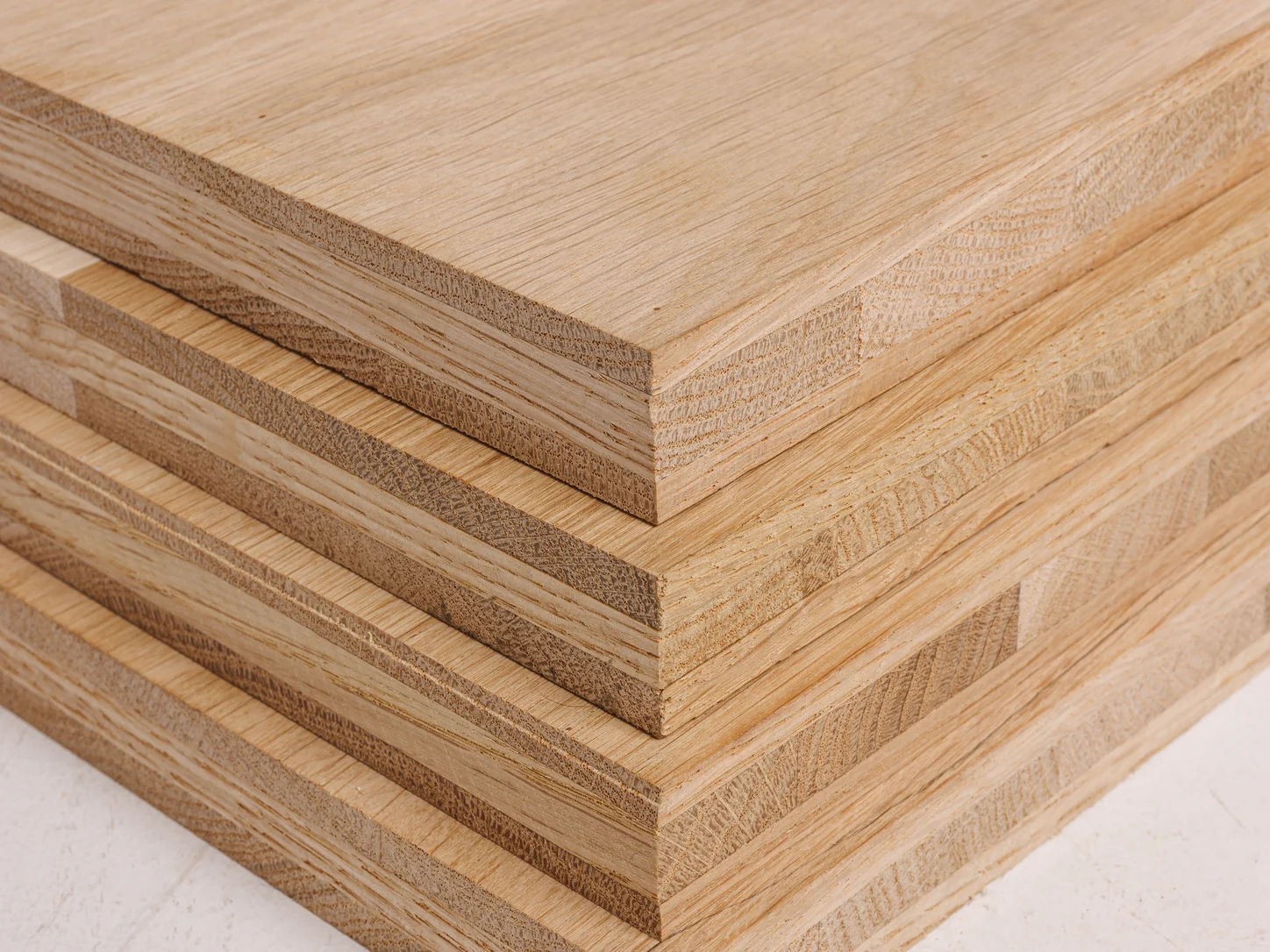
The same wood can look different depending on the size of the part, grain direction and adjacent surfaces. A small sample helps you examine tone and texture, but may not show how the grain will look across a large cabinet front or a group of parts. If the visual relationship between doors, shelves or panels matters, ask to discuss that specific arrangement.
It helps to separate functional and aesthetic requirements. For each part, record its purpose, visible sides and finishing requirements, then describe the preferred character of the oak separately. This makes it easier for the supplier to check which material suits the task and for production to see which surfaces need especially careful selection.
Agree on a clear description
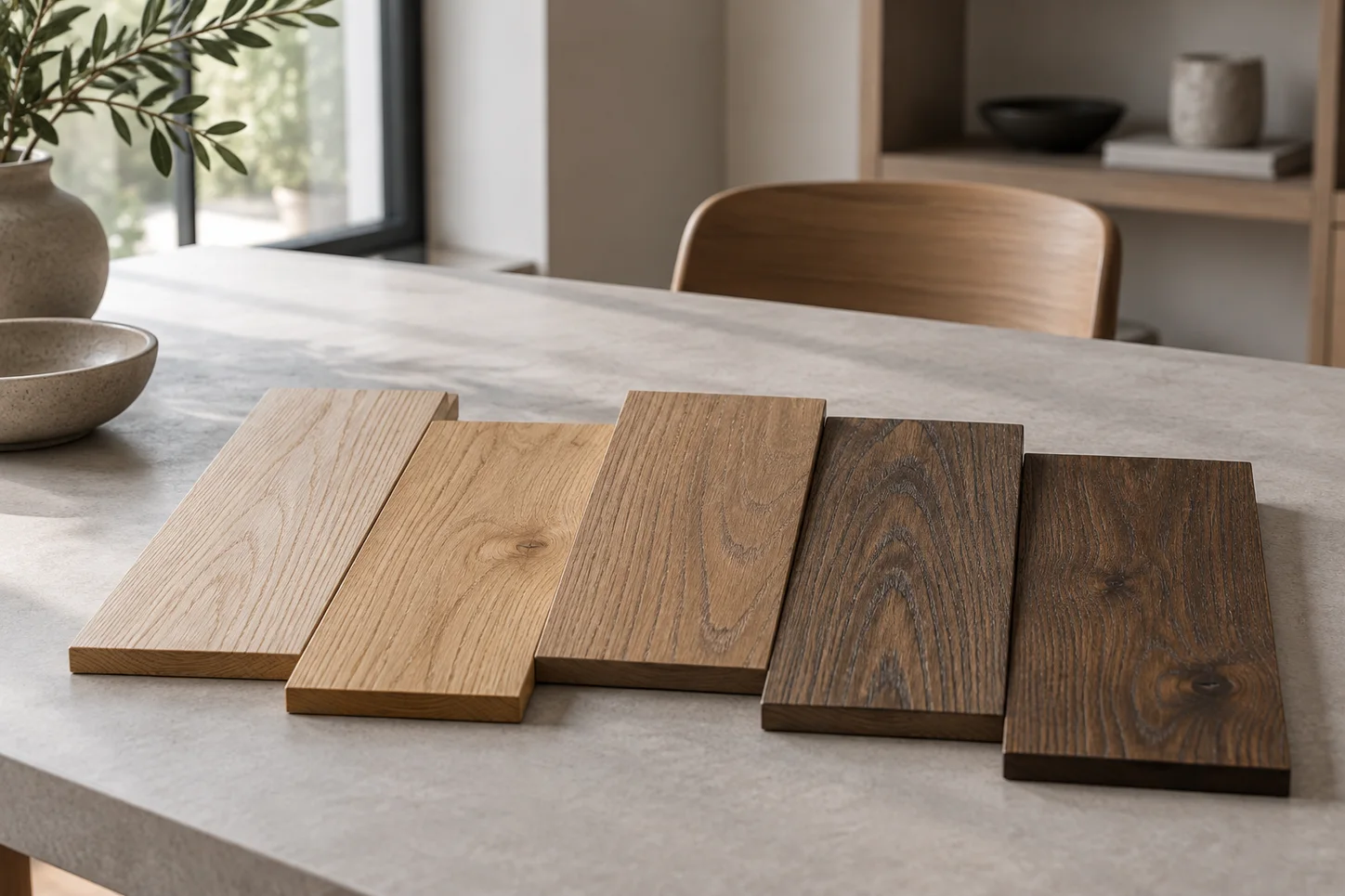
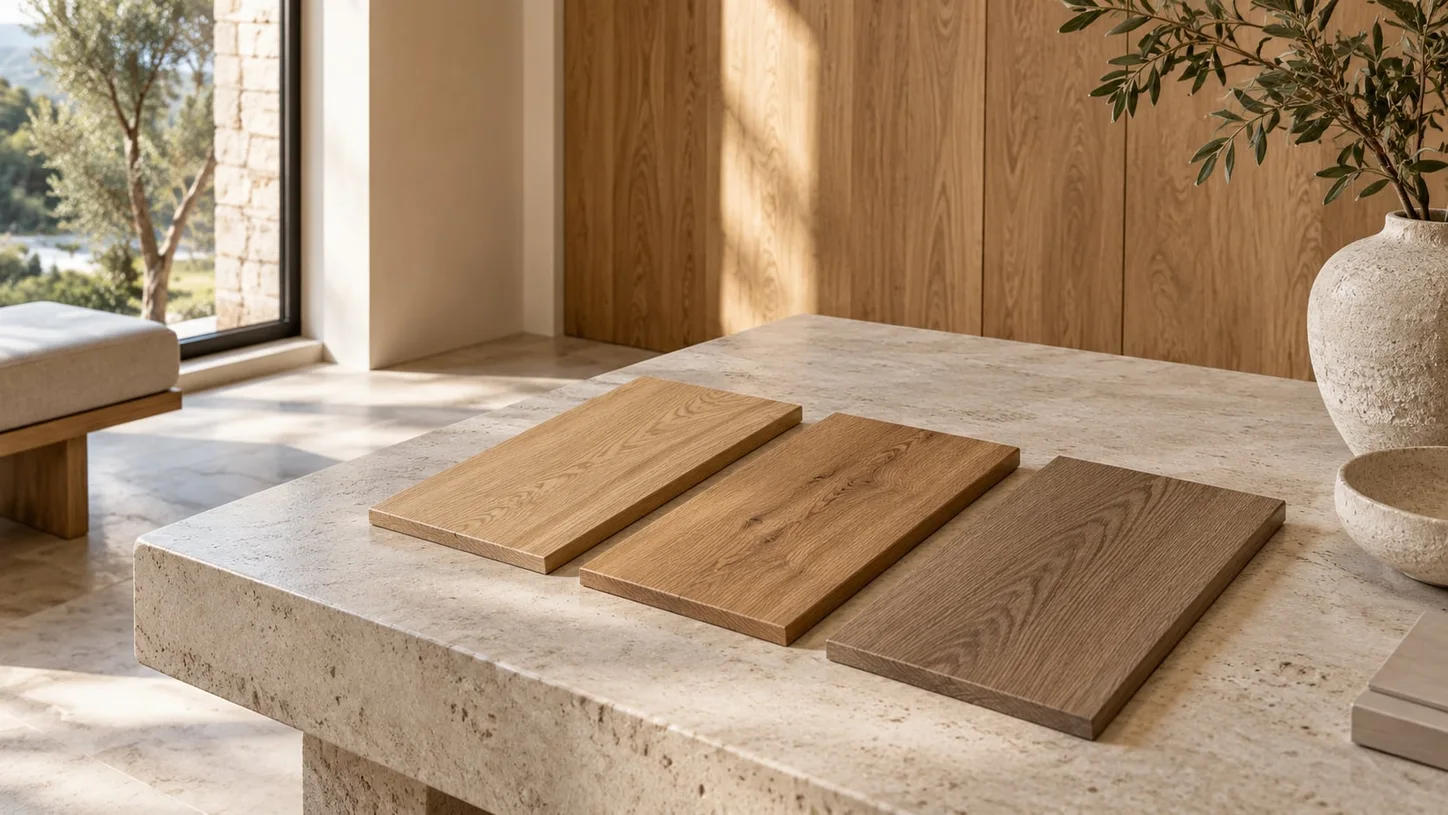
Suppliers may use different names for their grades, so a letter or word category alone may not set a precise visual expectation. Ask to see current samples and clarify which natural features are included in the selected option. If a decision is based on a photo, check that it is an illustration rather than the only colour standard: the screen, lighting and image processing can change the impression.
Discuss the visual range your product needs rather than an abstract “best” grade. For a project that calls for expressive natural grain, an overly uniform surface may feel out of place; for a calm cabinet front, check which noticeable features are acceptable.
Record the decision before ordering
Before confirming the order, record the selected grade, attach the agreed sample or reference, and mark which sides of the part will be visible. If parts in the series have different roles, state that in the specification. This record will not remove the natural variation in wood, but it gives everyone a shared basis for discussing the material and reduces the risk of different interpretations.
When appearance requirements are especially strict, ask the supplier directly which options are available and how the material for the specific order will be confirmed. Make the final decision after viewing a sample in lighting close to the conditions of the future interior.